
If AI has surprised us in recent years with its ability to write articles, generate images, and hold conversations that feel increasingly human-like, another question is now emerging: What happens when AI can do more than simply respond – when it can act?
That is where Physical AI comes in.
Physical AI, Explained Simply
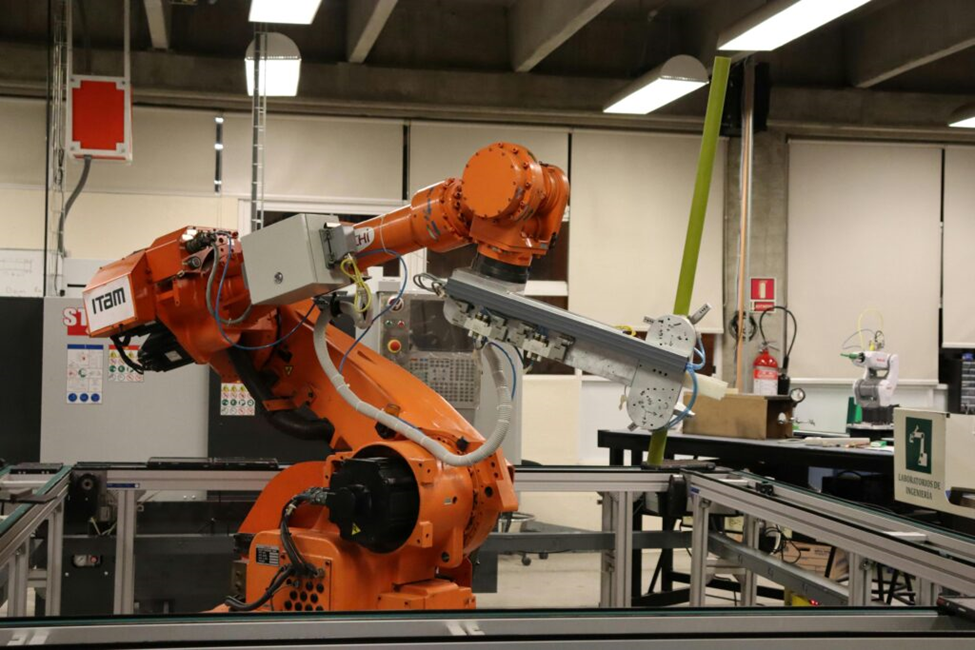
Physical AI can be understood as artificial intelligence embedded in systems that can perceive, understand, and interact with the physical world. Robots, autonomous vehicles, and intelligent automated systems are some of the most familiar examples.
Consider a very simple everyday task: picking up a bottle of water from a table.
A person sees the bottle, understands where it is, reaches toward it, picks it up, and adjusts their grip so that it does not slip or fall.
For a robot to perform the same task, it must solve nearly the same sequence of problems.
It needs cameras or sensors to “see.” AI helps it identify the bottle and distinguish it from the table. The system then calculates how the robotic arm should move and finally controls the motors to carry out the action.
Perceive → Understand → Decide → Act.
It may sound simple, but this is one of the most challenging problems in AI.
Why Is the Real World So Difficult?
For software, inputs are often relatively well defined.
The physical world is not.
A cup may be on the left today and on the right tomorrow. Lighting conditions can change. Someone may walk in front of the camera. Another object may accidentally block the cup from view.
Humans adapt to these changes naturally. Robots have to learn how to do so.
This is also what distinguishes Physical AI from traditional automation systems, which are typically programmed to repeat a fixed set of actions under controlled conditions.
The broader goal of Physical AI is to enable machines to understand their surroundings and adapt to what is actually happening in real time.
Where Will Physical AI Be Used?
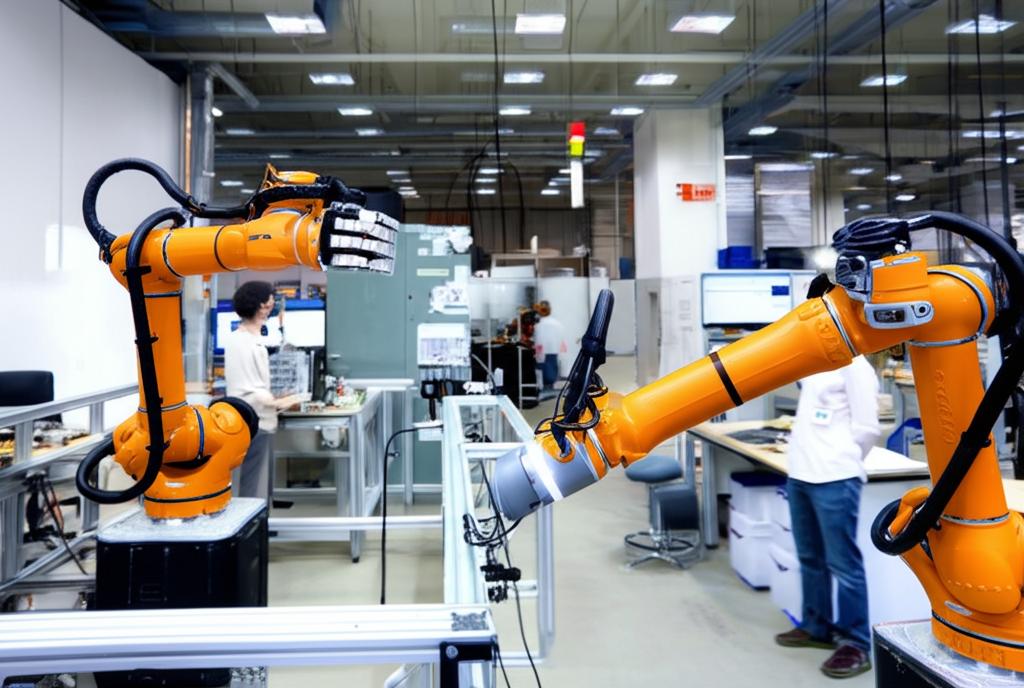
Factories and warehouses are perhaps the most obvious examples. Robots can pick items, sort products, transport materials, and work alongside humans.
But the potential applications extend much further.
Service robots can assist people with everyday tasks. Inspection robots can operate in environments that are difficult or dangerous for humans to access. Autonomous vehicles must continuously observe the road, anticipate what may happen next, and make decisions accordingly.
What these applications have in common is that AI is no longer standing outside the physical world simply analyzing data.
It becomes part of that world and must learn how to act within it.
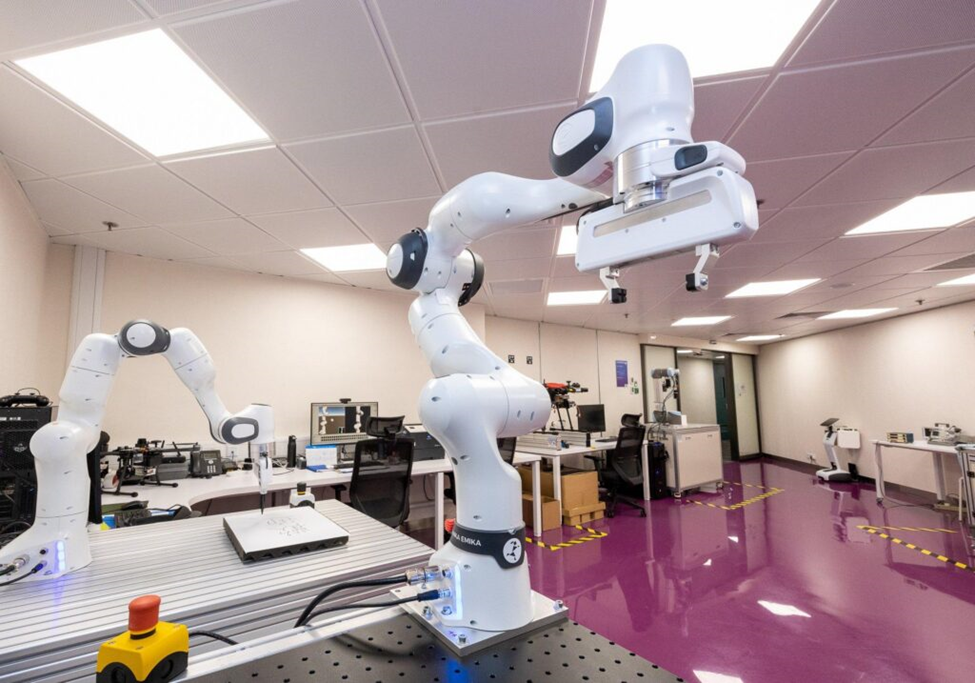
Physical AI, therefore, is about much more than robots.
Behind every intelligent robot is an entire ecosystem of sensors, data, AI models, control systems, simulation technologies, and computing infrastructure.
And that is where the story becomes even more interesting.
In the next article, we will open up that “box” and take a closer look at what actually goes into a Physical AI system.